OPERATOR SYNDROME
Operator Syndrome is finally part of the national conversation.
It's a conversation we've been having for years, mainly due to the work of clinical psychologist, Dr. Chris Frueh, Sharp's Head of Coaching Engagement. The cumulative effects of a career under chronic operational stress are real, researched — and coachable. Sharp pairs the people who respond when it matters most with coaches from U.S. Special Operations, guided by the researcher who defined the syndrome.
Dr. Chris Frueh
Head of Coaching Engagement — the researcher who defined Operator Syndrome.
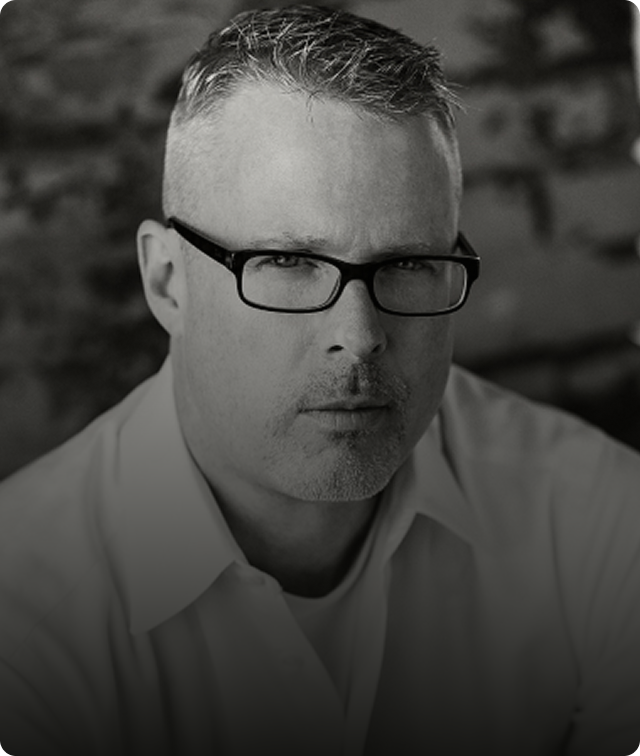
"Sharp is driving a paradigm shift in how we can immediately improve the health of high-risk professionals and optimize their performance."
Defined the syndrome
First described "Operator Syndrome" in the peer-reviewed literature — Int'l Journal of Psychiatry in Medicine, 2020.
300+ publications
Clinical psychologist and professor, University of Hawaiʻi. Author of the book Operator Syndrome.
Beyond the military
At Sharp, his framework shapes how coaches support high-risk professionals, preventative, sub-clinical, physiology-first.
Science → Practice
Sharp transforms decades of research into practical coaching that supports long-term performance and resilience.
Operator Syndrome, Explained
It isn’t PTSD
Operator Syndrome is the accumulation — years of chronic operational stress changing the body and the brain. Not a single traumatic event.
It’s a constellation
Sleep, hormones, chronic pain, cognition, mood, relationships… Testosterone is one line item — not the whole story.
It doesn’t retire
It changes uniforms. The same pattern follows people into law enforcement, fire service, EMS, dispatch, and corrections.
It’s coachable
An occupational injury deserves occupational solutions: proactive, confidential coaching from people who understand the job